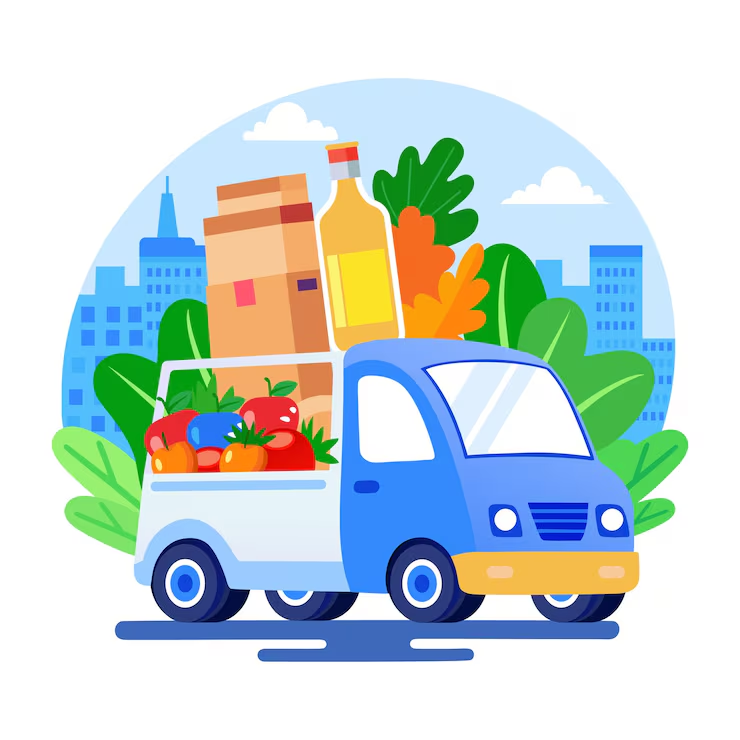
Understanding Grocery Delivery Services Online
What Are Grocery Delivery Services?
grocery Delivery Services Online have completely transformed the way people shop for everyday essentials. Instead of spending hours walking through crowded supermarket aisles, customers can now browse thousands of products from the comfort of their homes and receive deliveries directly at their doorstep. Whether it is fresh vegetables, dairy products, packaged foods, beverages, cleaning supplies, or personal care items, nearly everything available in a traditional supermarket can now be purchased online. This shift has become one of the most significant changes in retail over the last decade, driven by improvements in internet access, mobile applications, digital payments, and advanced logistics networks.
The popularity of grocery delivery services online is closely linked to changing lifestyles. Modern consumers are busier than ever, balancing work, family responsibilities, and personal commitments. In such an environment, convenience has become a valuable commodity. Grocery delivery platforms remove the need for commuting, waiting in checkout lines, and carrying heavy bags. Instead, shoppers can place an order within minutes and schedule delivery according to their preferred time slots. This convenience makes online grocery shopping particularly appealing to working professionals, elderly individuals, and families with young children. As technology continues to evolve, grocery delivery services are becoming faster, smarter, and more personalized than ever before.
How Online Grocery Platforms Work
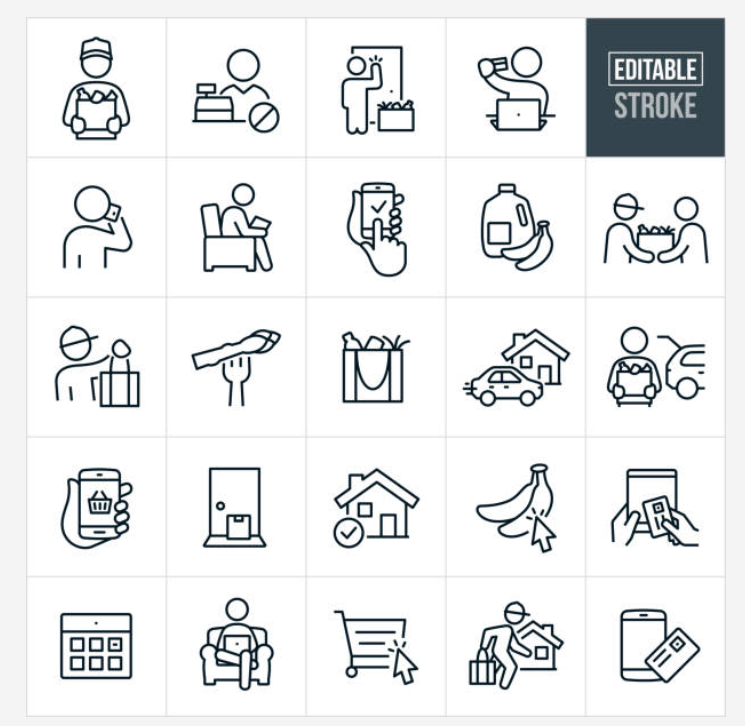
At their core, grocery Delivery Services Online platforms operate as digital marketplaces connecting consumers with supermarkets, warehouses, or local grocery stores. Customers browse products through websites or mobile apps, add items to a virtual cart, complete secure payment transactions, and choose delivery options. Behind the scenes, sophisticated inventory management systems ensure product availability while logistics networks coordinate picking, packing, and transportation.
Many modern platforms leverage artificial intelligence to enhance the shopping experience. Personalized recommendations, predictive purchasing suggestions, and automated replenishment reminders help consumers discover products and streamline repeat purchases. Real-time tracking allows customers to monitor deliveries from warehouse to doorstep, creating transparency and trust. The process resembles having a personal shopper working on your behalf, gathering groceries while you focus on more important activities.
The efficiency of these systems depends heavily on technology and logistics. Companies invest millions in warehouses, delivery fleets, route optimization software, and customer service infrastructure. The result is an increasingly seamless experience that often rivals, and sometimes surpasses, traditional in-store shopping. This digital transformation is redefining consumer expectations and setting new standards for convenience in the retail industry.
The Rapid Growth of Grocery delivery services online
Market Statistics and Industry Expansion
The grocery delivery services online industry is experiencing extraordinary growth worldwide. Recent market research indicates that the global online grocery market reached approximately USD 909.6 billion in 2025 and is projected to grow at a compound annual growth rate of 25.88% through 2034. This remarkable expansion demonstrates how digital grocery shopping has evolved from a niche service into a mainstream retail channel.
The growth is particularly significant in Asia-Pacific markets, which currently account for more than 58% of global online grocery market share. India has emerged as one of the fastest-growing regions, with its online grocery market valued at approximately USD 14.33 billion in 2025 and expected to exceed USD 100 billion by 2034. These numbers highlight the massive opportunity that exists within the sector.
| Market Metric | Value |
|---|---|
| Global Market Size (2025) | USD 909.6 Billion |
| Forecast Market Size (2034) | USD 7.64 Trillion |
| Global CAGR (2026–2034) | 25.88% |
| Asia-Pacific Market Share | 58.3% |
| India Market Size (2025) | USD 14.33 Billion |
| India Forecast (2034) | USD 101.99 Billion |
The statistics tell a compelling story. Consumers are increasingly comfortable purchasing groceries online, while retailers continue investing heavily in digital infrastructure. This combination of consumer demand and technological advancement is fueling unprecedented industry growth.
The rise of quick commerce has also reshaped expectations. Many consumers no longer view same-day delivery as exceptional; they increasingly expect groceries within hours or even minutes. This demand for speed is pushing companies to innovate continuously, resulting in more efficient logistics networks and faster fulfillment systems. As a result, online grocery shopping is becoming an integral part of everyday life for millions of households worldwide.
Benefits of Using grocery Delivery Services Online
benefits
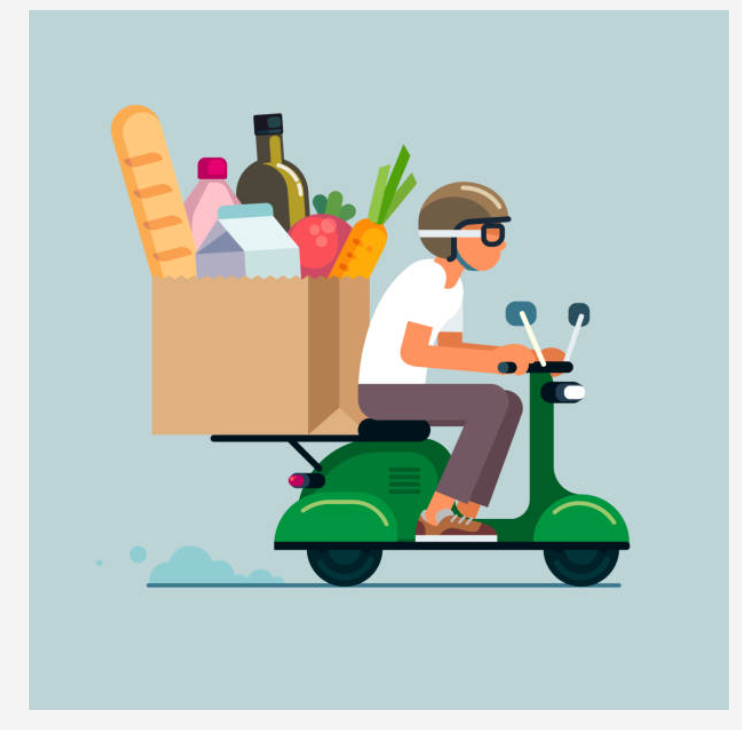
The most obvious advantage ofgrocery Delivery Services Online is convenience. Time is one of the most valuable resources people possess, and grocery delivery services help reclaim hours that would otherwise be spent traveling, shopping, and waiting in checkout lines. For busy professionals, parents, and seniors, this benefit alone can justify the switch to digital grocery shopping.
Imagine a traditional grocery trip. You drive to the store, search for parking, navigate crowded aisles, wait in line, and transport groceries back home. The entire process can easily consume two hours or more. Online grocery shopping compresses this effort into a few minutes spent browsing an app. What once required significant physical and mental energy becomes a simple digital task.
Convenience extends beyond time savings. Grocery delivery services provide access to products around the clock. Whether someone prefers shopping early in the morning or late at night, online platforms remain available. Flexible delivery windows allow consumers to receive orders when it suits their schedules, reducing disruptions and improving overall quality of life.
Better Budget Management
Many people are surprised to discover that grocery Delivery Services Online shopping can actually improve budget control. Digital platforms make it easier to track spending in real time, compare prices, and avoid impulse purchases. Unlike physical stores designed to encourage spontaneous buying, online platforms provide greater transparency throughout the shopping process.
Customers can review cart totals before checkout, remove unnecessary items, and compare alternatives without pressure. Search filters and category navigation help identify discounts, promotions, and bulk purchasing opportunities. This level of visibility often leads to more informed purchasing decisions and reduced household spending.
Budget-conscious shoppers also benefit from digital records of previous purchases. By analyzing order history, consumers can identify spending patterns and adjust future shopping habits accordingly. Over time, these insights contribute to more effective financial planning and smarter consumption choices.
Access to Wider Product Selections
Physical supermarkets are constrained by shelf space, but online platforms are not. As a result, grocery delivery services frequently offer significantly larger product selections than traditional stores. Customers gain access to specialty foods, international products, organic alternatives, dietary-specific items, and niche brands that may be unavailable locally.
This expanded selection is particularly valuable for individuals with specific dietary requirements. Whether someone follows a vegan, gluten-free, keto, or diabetic-friendly diet, online grocery platforms make it easier to locate suitable products. Detailed product descriptions, ingredient lists, and customer reviews provide additional confidence during the purchasing process.
The ability to access a broader marketplace creates a more personalized shopping experience. Consumers are no longer limited by local inventory constraints and can instead explore a virtually unlimited range of products tailored to their unique preferences and needs.
Popular Grocery Delivery services online Platforms
Global Market Leaders
Several companies dominate the global online grocery landscape. Popular platforms include Amazon Fresh, Instacart, Walmart Grocery, Kroger, Carrefour, and Ocado. These organizations have built extensive logistics networks, sophisticated technology platforms, and strong brand recognition.
Recent developments demonstrate the industry’s ongoing evolution. For example, major retailers continue investing heavily in delivery technology, automation, and platform enhancements to improve customer experiences and maintain competitive advantages.
Leading Grocery Delivery Services in India
India’s grocery Delivery Services Online market has witnessed remarkable growth, supported by widespread smartphone adoption and expanding digital payment infrastructure. Popular services include Blinkit, Zepto, Swiggy Instamart, and BigBasket, all of which focus on fast delivery and extensive product availability.
Quick commerce has become particularly influential in India. Consumers increasingly expect deliveries within minutes rather than hours, driving rapid expansion of hyperlocal fulfillment networks. Industry analysts note that quick commerce platforms are reshaping shopping habits and outperforming traditional e-commerce models in several categories.
Key Features of Modern Grocery Delivery Apps
Real-Time Track
Modern grocery delivery apps provide real-time tracking capabilities that enhance transparency and customer confidence. Consumers can monitor their orders throughout the fulfillment process, from preparation and packaging to transportation and final delivery. This visibility reduces uncertainty and improves overall satisfaction.
AI-Powered Recommendations
Artificial intelligence plays a growing role in online grocery shopping. Machine learning algorithms analyze purchasing patterns to recommend relevant products, suggest complementary items, and predict future needs. These personalized experiences create greater convenience while helping retailers increase customer engagement and retention.
Multiple Payment Options
Flexible payment methods have become essential for modern grocery delivery services. Customers can choose from credit cards, debit cards, digital wallets, net banking, UPI payments, cash-on-delivery options, and subscription-based models. This diversity ensures accessibility across different customer segments and geographic regions.
Challenges Facing grocery Delivery Services Online
Delivery Costs and Logistics
Despite impressive growth, grocery Delivery Services Online faces significant operational challenges. Last-mile delivery remains one of the most expensive aspects of the business. Companies must balance speed, efficiency, and profitability while meeting increasingly demanding customer expectations.
Transportation costs, fuel prices, labor expenses, and infrastructure investments all influence operating margins. Retailers continuously seek ways to optimize routes, improve warehouse efficiency, and reduce fulfillment costs without compromising service quality.
Freshness and Quality Concerns
Fresh produce, dairy products, and frozen goods require careful handling throughout the supply chain. Customers naturally expect the same quality they would select personally in a physical store. Maintaining freshness while minimizing waste remains a critical challenge for grocery delivery providers.
To address these concerns, companies invest in cold-chain logistics, quality control procedures, and specialized packaging solutions. Continuous improvements in these areas are helping build consumer trust and encouraging broader adoption of online grocery services.
Future Trends in grocery Delivery Services Online
Quick Commerce and Instant Delivery
Quick commerce represents one of the most exciting developments in the grocery industry. Delivery windows measured in minutes rather than hours are becoming increasingly common, especially in urban markets. Research indicates that instant and on-demand delivery models are growing at more than 30% annually in leading metropolitan areas.
Consumers appreciate the ability to order forgotten ingredients, household necessities, or emergency supplies and receive them almost immediately. This convenience is reshaping expectations and driving continued investment in hyperlocal fulfillment centers and dark-store networks.
Sustainability and Eco-Friendly Deliveries
Environmental sustainability is becoming an increasingly important consideration. Researchers have found that even small increases in delivery flexibility can significantly reduce transportation distances and carbon emissions. A study analyzing millions of grocery orders found that allowing slightly longer delivery windows could reduce delivery mileage by approximately 30% and lifecycle CO₂ emissions by 20%.
Retailers are responding by investing in electric delivery vehicles, optimized routing systems, reusable packaging, and environmentally friendly logistics practices. Sustainability initiatives not only benefit the environment but also resonate strongly with environmentally conscious consumers.
Choosing the Best Grocery Delivery Service online
Factors to Consider Before Ordering
Selecting the right grocery delivery service depends on individual needs and preferences. Several important factors should guide the decision-making process:
- Delivery speed and availability.
- Product selection and inventory quality.
- Delivery fees and subscription costs.
- Customer service reputation.
- Payment options and security features.
- Coverage area and delivery reliability.
Comparing these factors helps consumers identify the service that best aligns with their priorities. Some shoppers prioritize ultra-fast delivery, while others focus on pricing, product variety, or sustainability. Understanding personal preferences ensures a more satisfying shopping experience.
Conclusion
grocery delivery services online have transformed the retail landscape by combining convenience, technology, and efficiency into a seamless shopping experience. What began as a niche offering has evolved into a multi-billion-dollar global industry that continues to expand at an impressive pace. Consumers benefit from time savings, greater product variety, improved budget control, and enhanced shopping flexibility, while retailers leverage advanced technology to meet rising expectations.
The future of grocery delivery appears exceptionally promising. Innovations in artificial intelligence, quick commerce, logistics optimization, and sustainability are creating smarter and more efficient systems. As consumer demand continues to grow and technology advances further, online grocery delivery will likely become an even more essential part of everyday life. For shoppers seeking convenience without sacrificing quality, grocery delivery services represent one of the most impactful retail innovations of the modern era.